

Protective styles don’t automatically protect your hair.
That’s probably one of the biggest misconceptions in natural hair care. The truth is, a style is only protective if it’s installed, maintained, and removed correctly. When those things are overlooked, the opposite can happen—dryness, breakage, excessive shedding, and unnecessary tension.
The good news? When done correctly, protective styles can be an excellent way to give your hair a break from daily manipulation while supporting healthy hair practices.
What Is a Protective Style?
A protective style is a hairstyle designed to minimize daily manipulation by tucking away your ends—the oldest and most fragile part of your hair. By reducing exposure to friction, weather, and constant styling, protective styles can help support length retention and make your hair routine more manageable.
Some of the most worn protective styles are braids, twists, wigs, weaves, faux locs, and sew-in styles. Depending on the style and your hair’s needs, they’re typically worn anywhere from two weeks to two months.
People choose protective styles for many reasons. Some want a break from daily styling, while others are looking for a low-maintenance routine, a vacation hairstyle, or a way to help retain length as they work toward healthier hair. After years of wearing protective styles—and learning from the mistakes that caused my own breakage—I’ve realized that the style itself isn’t what keeps your hair healthy. It’s the habits that come with it.
Protective Style Myths And Facts
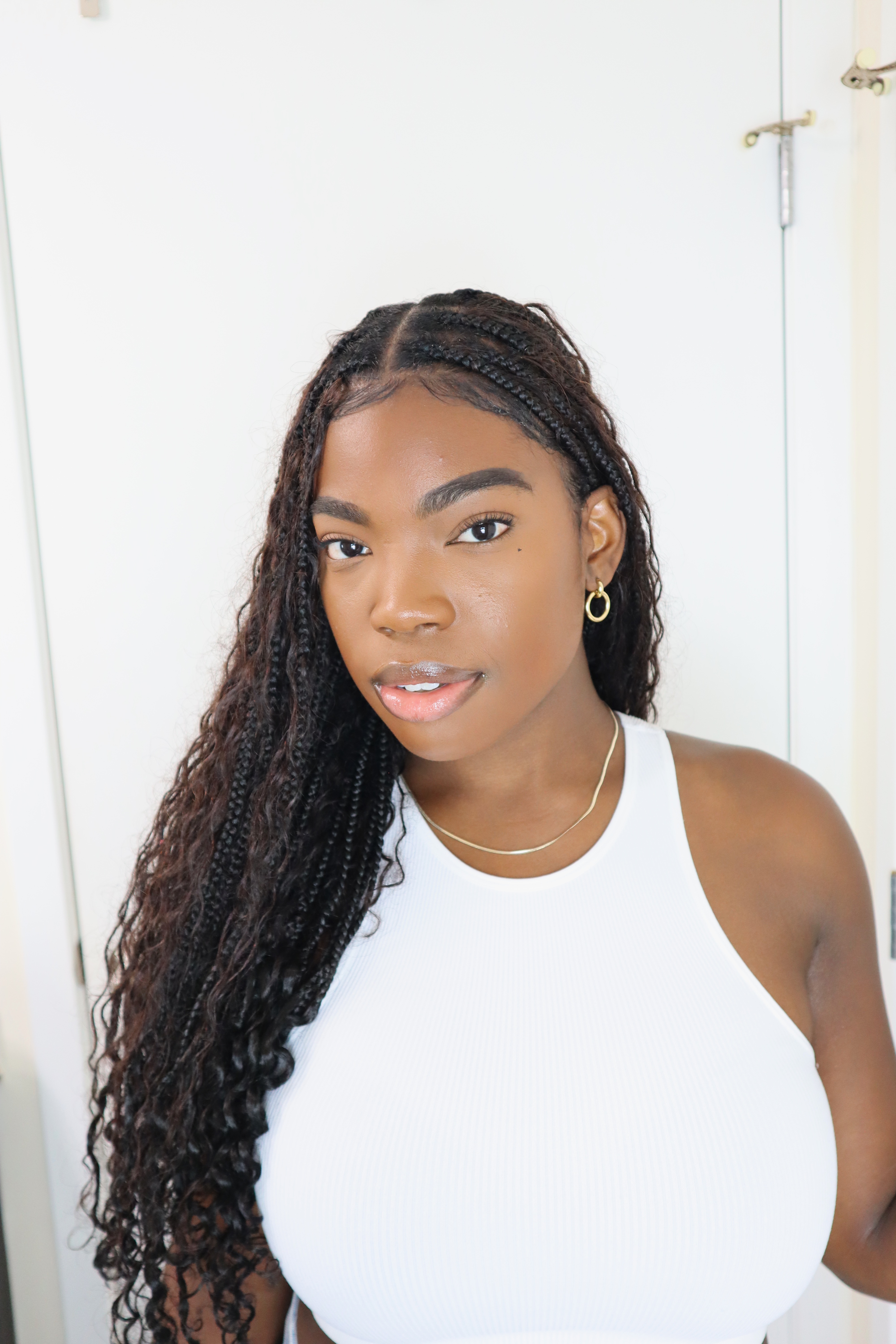
Myth #1: Protective styles make your hair grow.
Fact: Protective styles don’t make your hair grow faster—they help you retain more of the hair that’s already growing by reducing daily manipulation and breakage.
Myth #2: You don’t need to moisturize your hair while it’s in a protective style.
Fact: Your hair still needs moisture, even when it’s tucked away.
Tip: A good leave-in conditioner and oil work wonders. *Shameless plug, I linked a few here for you to check out.
Myth #3: The longer you keep a protective style in, the better.
Fact: Leaving a style in too long can lead to buildup, tangles, and unnecessary breakage.
Tip: It’s also important to give your hair a chance to breathe and stay up to date with trims and treatments.
Myth #4: Tight means neat.
Fact: Tight means tight. Too much tension can cause irritation and breakage.
Tip: Always communicate with your stylist if it feels too tight; most times, they don’t know.
Myth #4: Every low-manipulation style is a protective style.
Fact: While all protective styles are low-manipulation, not every low-manipulation style is truly protective.
Tip: A low-manipulation style means you’re handling your hair less often. For example, a puff or a loose bun may reduce daily styling, but if your ends are constantly exposed to friction from your clothes, the weather, or frequent touching, they aren’t providing the same level of protection as a style that tucks your ends away.
How to make a protective style actually protective?
- Start with clean, moisturized hair.
- Don’t install styles too tightly.
- Continue moisturizing your hair and scalp.
- Protect your hair while sleeping.
- Don’t leave styles in for too long.
- Give your hair a break between installs.
Now that we know what makes a protective style protective, let’s get into the best styles to choose for all your summer festivities. Whether you’re planning a beach vacation, summer festivals, or simply looking for a break from your wash day routine, these protective styles can help keep your hair healthy while looking good all summer.
Knotless braids
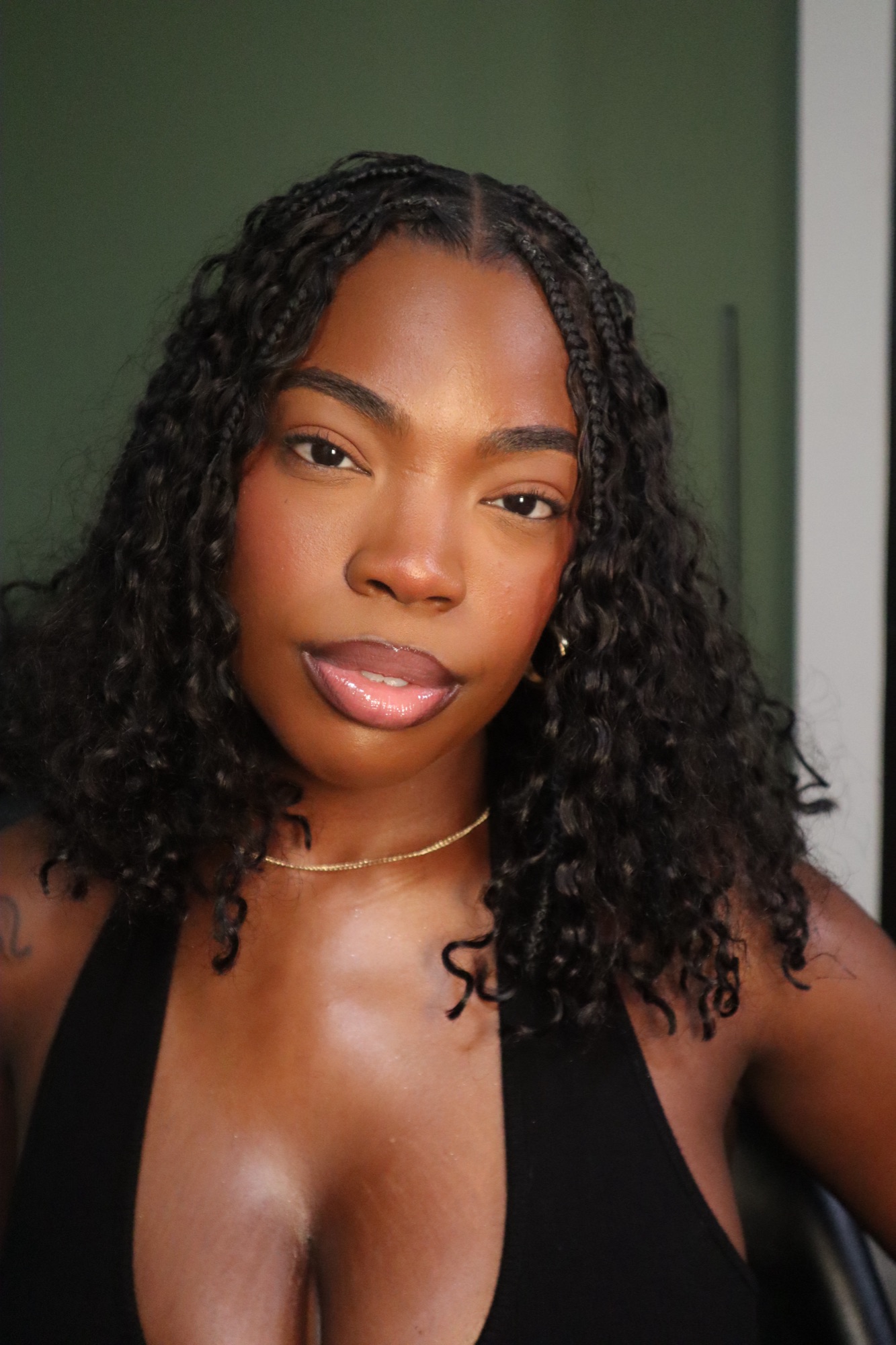
Knotless braids are exactly what the names suggest, it’s a variation of the OG three-strand box braids, minus the knot. It creates smooth and sleek roots and can be done in various sizes, ranging from x-small to jumbo. You can also choose various lengths, from bob length to waist length. Keep in mind that the longer your hair, the heavier it will be. If it’s too long, it can still create tension on your roots.
Stitch Braids
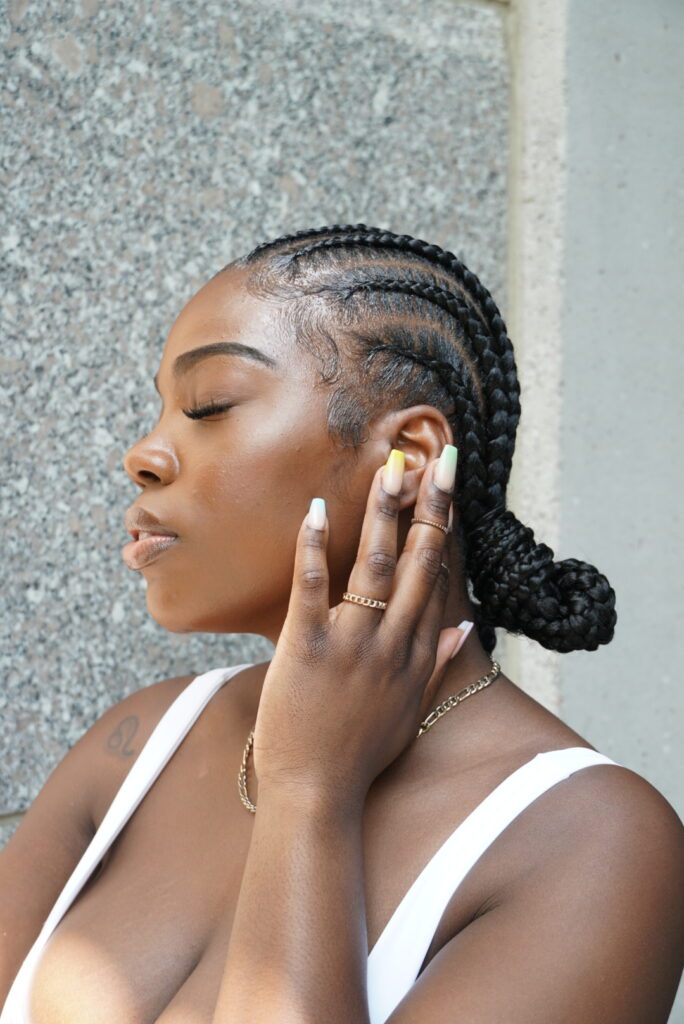
Stitch braids are a cute spin on cornrows. It uses the stitching technique where the hair is sectioned into thin horizontal lines.
It’s simple to do and takes less time than box braids. You can also do a bun with this style or have it hanging down your back. It’s a look either way!
Wig/Weave Installs
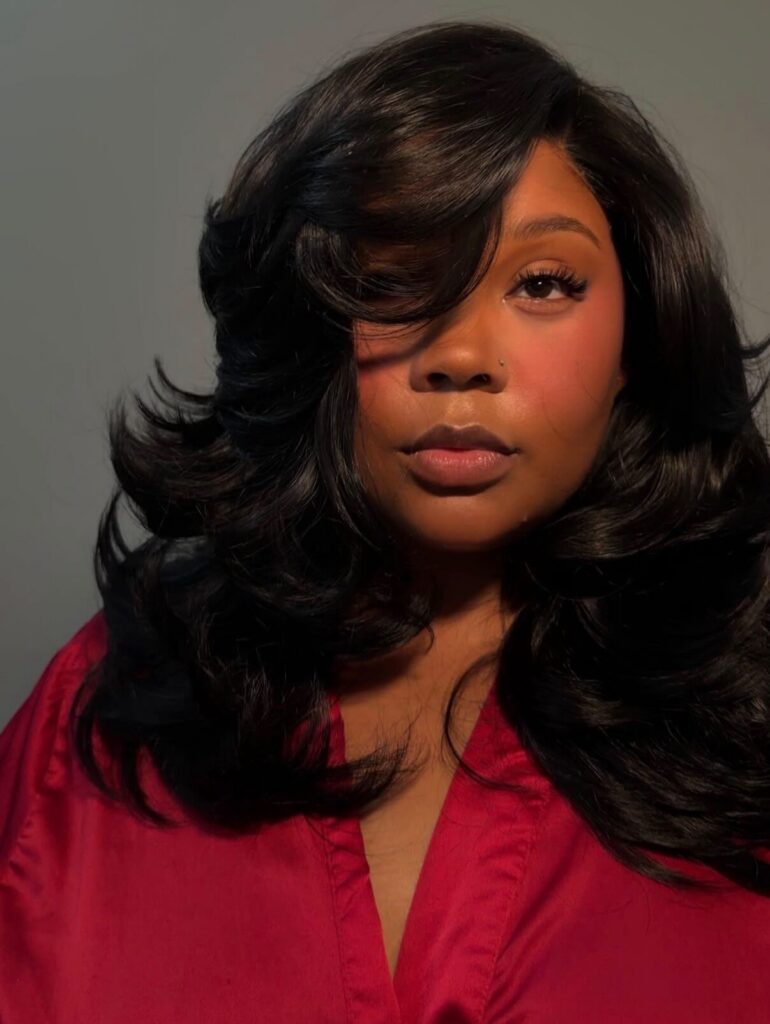
Wigs and weaves can be highly effective protective styles, but proper braid foundations, scalp care, and regular moisturizing are essential to keeping your natural hair healthy underneath.
Cornrows

A classic is a classic. It has paved the way for many other braided styles like stitch braids, feed-in braids, and more. It’s simple and very versatile. Again, you want to avoid braiding too tightly!
Flat Twist
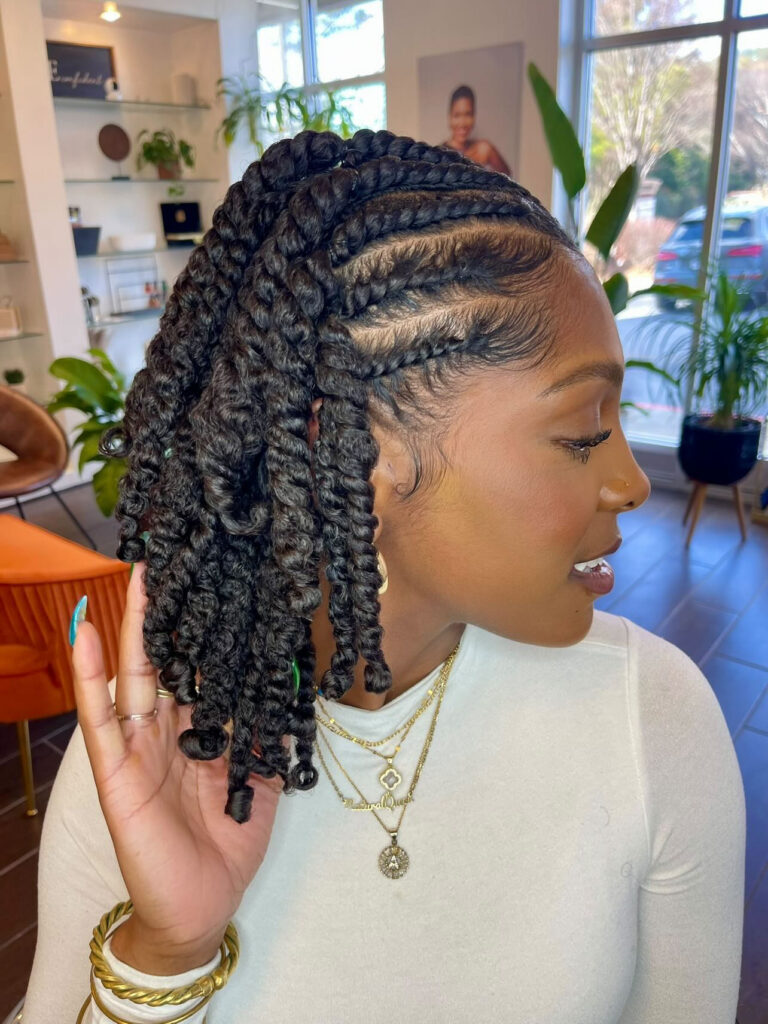
Flat twists are similar to cornrows, except it’s less tension. This low manipulation style not only protects your hair but also locks in moisture. You can wear it as a style and unravel it for bouncy, defined curls. It’s a versatile option with the least amount of tension.
Mini Twist/Braids
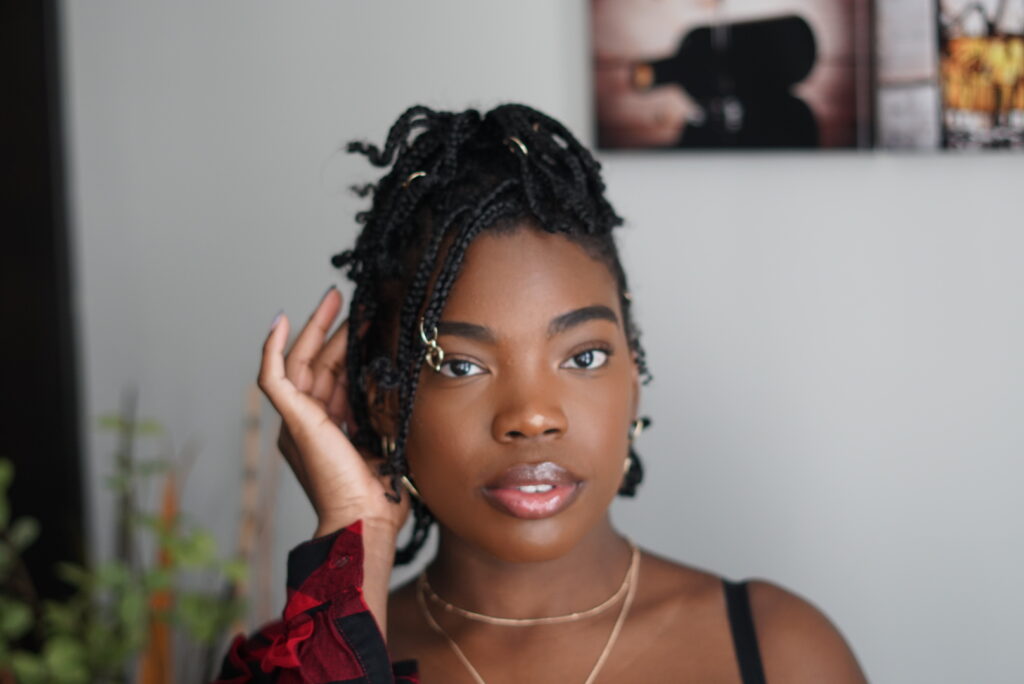
Mini twists are a lasting low manipulation style you can do yourself. This can take a while, depending on how small your sections are or how much hair you have. You can add extensions and create other variations of the style, like passion twists and more.
At the end of the day, the best protective style is the one that helps you maintain the health of your hair while fitting your lifestyle. Whether you choose knotless braids, twists, a wig, or another low-maintenance option, remember that healthy hair starts with healthy habits. Prioritizing moisture, minimizing tension, and caring for your hair before, during, and after your style will always make the biggest difference.
If you’re working on building a healthier natural hair routine, be sure to check out my article on How I’m Healing My Natural Hair After Breakage, where I share the changes that helped me get my hair back on track.