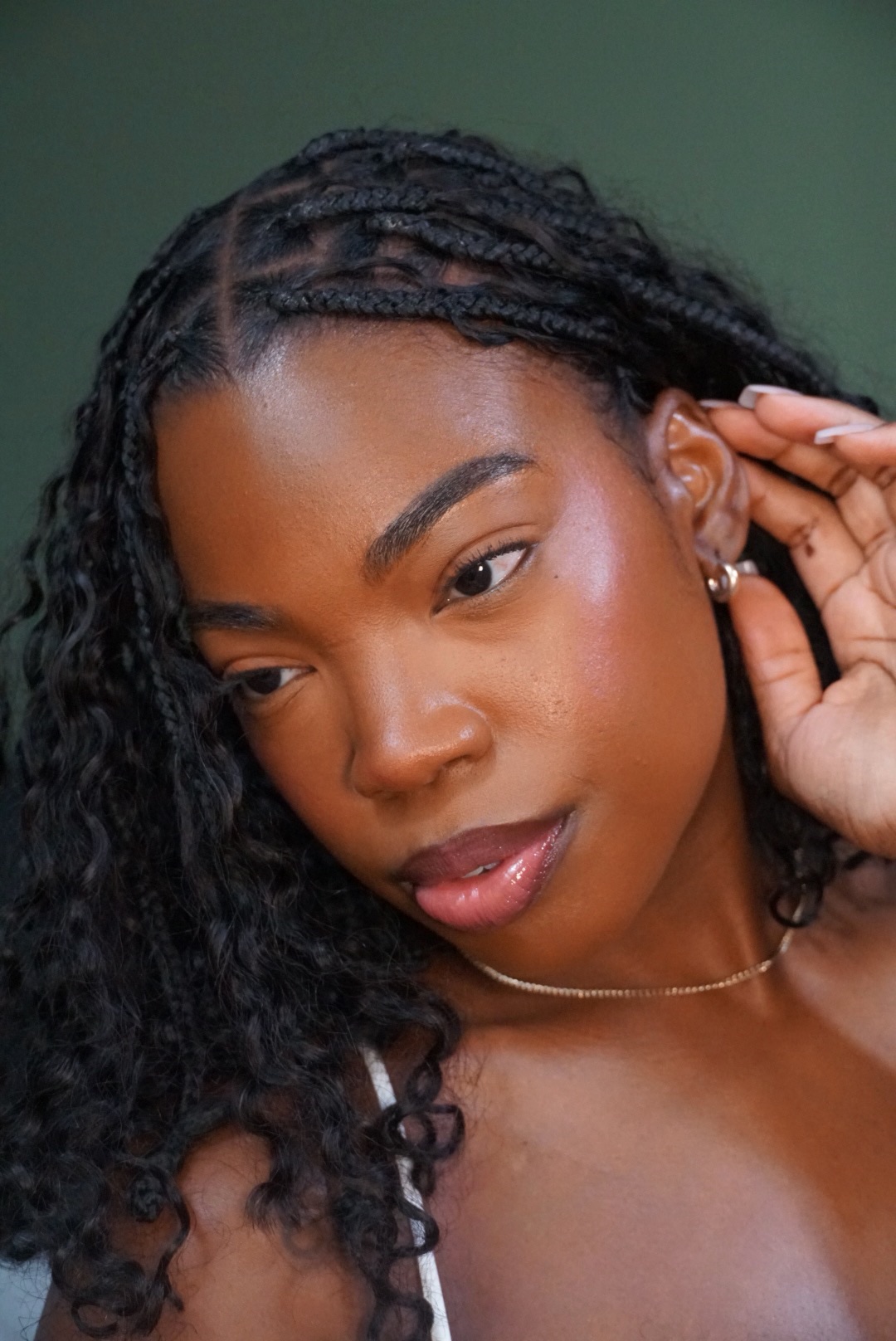
Scrolling through Instagram, TikTok, or Pinterest today, one thing becomes obvious: Black women are wearing blush like never before. Bright corals, rich berries, burnt oranges, soft pinks—even shades that many of us were once told weren’t “for us” have become staples in makeup routines.
So what changed?
I don’t think the answer is simply that blush became trendy. I think it’s part of something much bigger—a shift in how Black women are defining beauty on our own terms. We’re no longer waiting to be included, nor are we limiting ourselves because society says we should. That’s not to say Black women weren’t wearing blush before. Many makeup artists and beauty lovers have embraced color for years. But today, it feels different. It feels celebrated and far more visible than it once was.
As a Black woman, the evolution of the beauty industry has been incredible to witness. It makes me wonder what our ancestors would think if they could see us now. From natural hair to makeup, so many of the things we were once encouraged to hide, straighten, soften, or avoid have become some of the most celebrated parts of our beauty today.
There’s no doubt that the beauty industry has become more inclusive. We’ve seen foundation ranges expand, blushes formulated for deeper skin tones, palettes that actually complement melanated complexions, and more Black creators and black-owned brands influencing the way beauty is taught and celebrated. For me, the blush evolution has been one of the most interesting changes I’ve seen.
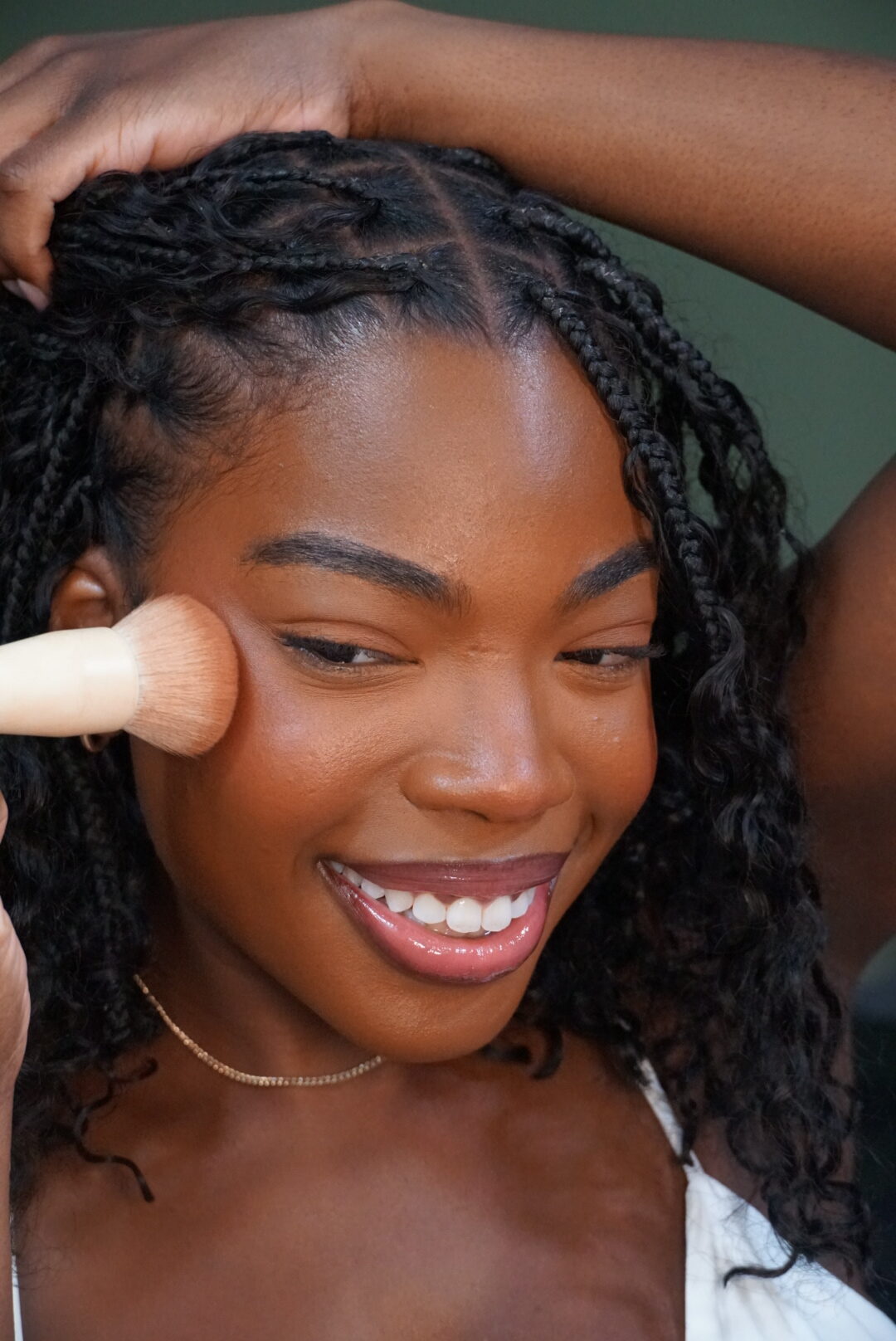
I grew up believing blush wasn’t for me. I remember experimenting with color in high school and being called a clown—not by other kids, but by adults, family members, and even women working the beauty counters at Macy’s. I was told, “We don’t wear blush.” The little girl in me was crushed. Suddenly, something as simple as experimenting with makeup—even just for fun—felt embarrassing instead of exciting.
Looking back, I don’t blame the people who said those things. Many of them were repeating the beauty standards they’d grown up with. For generations, many Black women were taught certain colors, techniques, and styles simply weren’t “for us.” That mindset wasn’t just cultural—it was reinforced by the beauty industry itself. Brands weren’t creating products with deeper skin tones in mind, and when they did, the shade ranges were often limited. It’s no surprise that many beauty associates didn’t recommend blush if they didn’t have shades they believed would flatter darker complexions. If you think about it, foundation options were limited, bronzers weren’t widely marketed to deeper skin tones, and blush was often treated as an afterthought. For many of us, it simply wasn’t presented as an essential step in a makeup routine.
Over time, though, things started to change. It wasn’t just our mindset that evolved—the products did, too.
Early blush formulas weren’t always designed with deeper complexions in mind. Many leaned heavily on light or white bases, making colors appear ashy, muted, or almost invisible on melanated skin. If you’ve ever tried on a blush that looked vibrant in the pan but disappeared—or turned chalky—once applied, you know exactly what I mean.
Today’s formulas tell a different story. Highly pigmented creams, liquids, and powders are designed to blend seamlessly into the skin rather than sit on top of it. Rich terracottas, burnt oranges, berries, brick reds, and vibrant corals don’t just exist—they’re celebrated. Even shades like yellow blush have entered the chat. We’re no longer debating whether Black women can wear blush; we’re exploring which shades best reflect our style, undertones, and creativity.
The products weren’t the only thing that evolved. The way we learned about makeup did, too. Social media and makeup artists have played a significant role in reshaping how Black women approach blush. Most recently, Nigerian makeup artist Ngozi Edeme, better known as Painted by Esther, has gone viral for her blush technique. Her vibrant placement and fearless use of color have inspired countless recreations across social media.
View this post on Instagram
She transformed blush from a finishing touch into one of the focal points of the makeup look by mapping the face with a cream blush, refining the placement with concealer, layering a brighter blush on top, and using a powder puff to press everything into the skin for a soft, blurred finish. More than sharing a technique, she showed that blush could be expressive, versatile, and more approachable for people who may have been hesitant to wear it.
I think that’s part of why blush resonates with so many of us today. It isn’t just another step in a makeup routine. It changes the way a face feels. It’s a touch of color that brings warmth, softness, and personality to the face—something that feels both playful and expressive, especially for those of us who once believed it wasn’t meant for us.
Blush isn’t a new concept, nor are Black women wearing it. But seeing more of us embrace it so boldly is so beautiful to see. Maybe that’s why this moment feels so meaningful. We’re not just embracing blush—we’re embracing color, creativity, and play as a collective. And if I’m being honest, it makes my inner child happy to see. I’m especially grateful for this rise because it’s inspired me, too. It’s encouraged me to be more fearless, more playful, and more creative with my own makeup. The little girl who was once told, “We don’t wear blush,” now gets to wear whatever color she wants—and that feels like progress worth celebrating.