
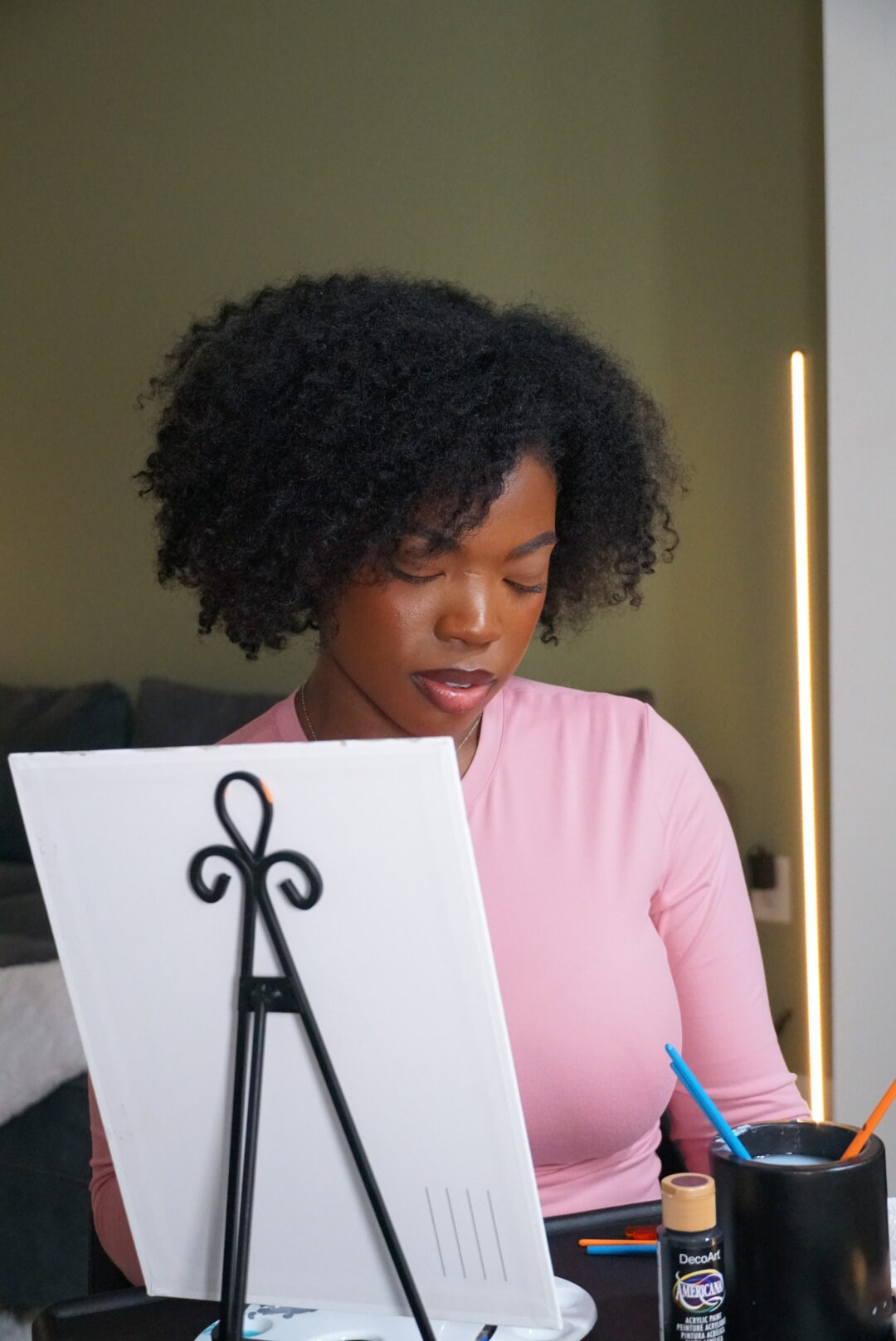
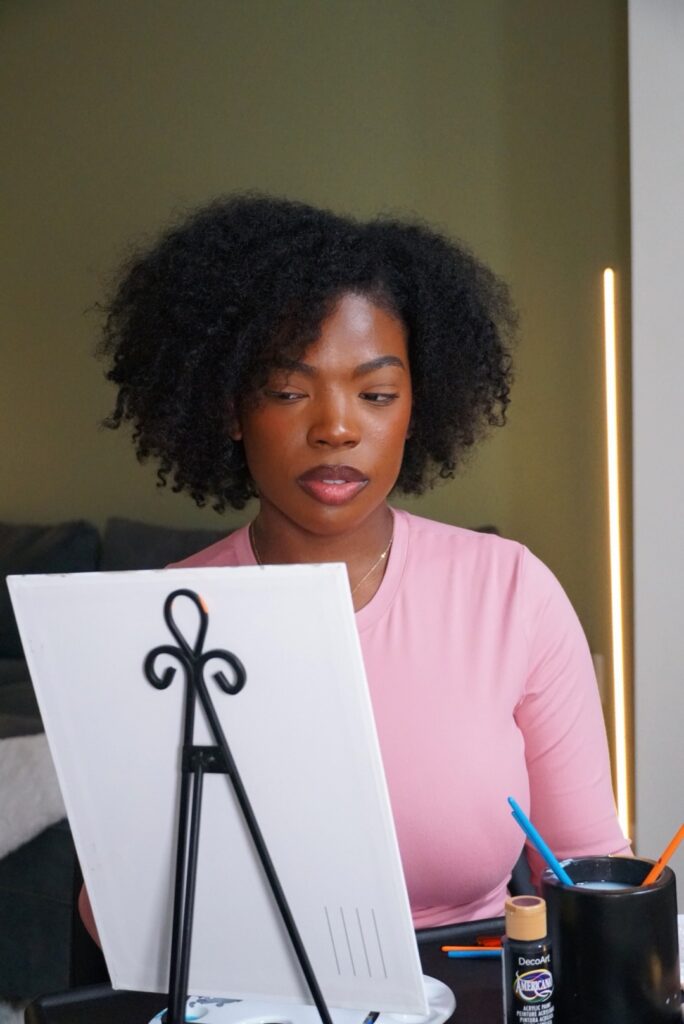
I’ve been taking art therapy consistently for the last two months. Not only has it opened my mind creatively, but it’s also changed my perspective on ideologies I’ve been conditioned to accept. Growing up, we’re taught failure isn’t an option—it’s not allowed nor acceptable. “If you don’t do well, you’ll become a failure.” If any of this sounds familiar to you, please know it’s not true.
We need to fail to get better. Of course, there are anomalies where some people are truly gifted with skills and talents, but even for them, there is still a process of improving, honing, and growing. For most people, we learn through experience, repetition, and consistency. We don’t typically start out being amazing at things—we have to work at them.
If at first you don’t succeed, dust yourselves off and try again.
If you think about athletes, they train constantly to improve their skills, to play better, to compete better. Even with constant training, a win is not guaranteed every game. Does that make them failures? That’s a bit harsh and unrealistic. So why do we adopt and put those same pressures on ourselves?
View this post on Instagram
As a recovering perfectionist, I know it does more harm than good. The pressure of constantly striving for perfection keeps us stagnant. I’ve caught myself saying, “I didn’t post my content because it wasn’t good enough,” and with how unpredictable the algorithm can be, I started to believe it. But it’s not true. There are several reasons why likes and views may be low—and I know it’s not because I’m not good enough.
A lot of it comes down to fear. The fear of failing. The fear of showing up consistently and not getting the results we want. But failure is inevitable—it’s a part of life. You can’t avoid fear and failure and expect to grow.
And the more I thought about it, I realized this doesn’t just apply to failure—it applies to grief too.
It’s all about perspective.
In one of my recent sessions, my therapist asked me what comes to mind when I think about grief and gratitude. I immediately chose dark colors for grief and light colors for gratitude. That’s as far as I got in the first session. I didn’t really know how to visualize it, because they’re not the same—but they’re not completely separate either. The two exist together.
So I painted two glasses, one pouring into the other. To me, with grief comes gratitude. Both need to exist. Grief, like failure, challenges our outlook. We can see the glass half full or half empty. Grief can be incredibly sad and devastating—whether it’s a relationship, a loved one, or even a business. It’s hard to process, but there can still be light within that darkness.
I lost my cousin to suicide earlier this year, and that’s a hard reality to face. Even though it was devastating, it made me reflect on my own life and happiness. It made me think about how I show up for my friends and family. So many shifts in my perspective came from such an unfortunate situation.
I say all this to say, fear, grief, and failure are all a part of life. We all experience them at some point. In the moment, they can feel overwhelming—even debilitating—but they all have the potential to shape us, shift us, and grow us. On the other side of it, things become clearer, and it strengthens our faith.